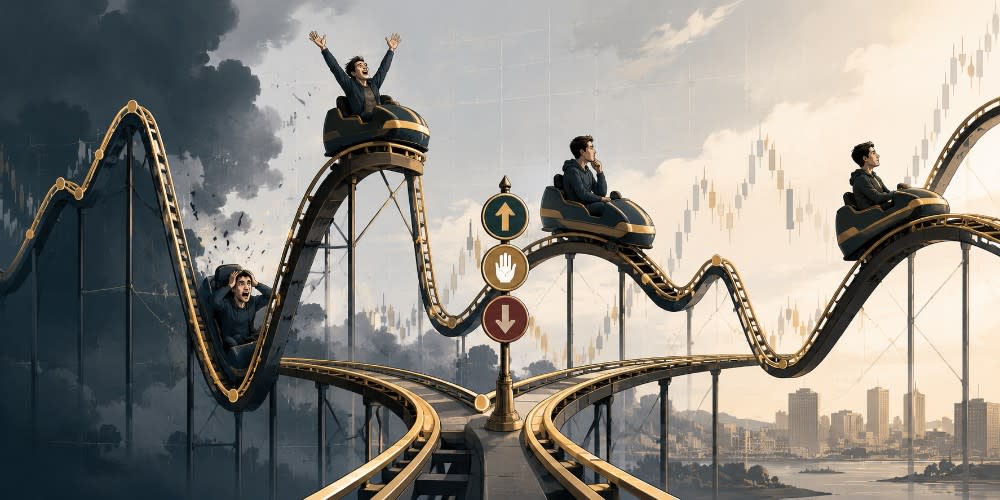
The Mental Rollercoaster

Writing a newsletter about investing can be exhilarating.
When you’ve been pounding the table on an idea to readers, and it’s working, there’s nothing quite like it.
Helping our readers make money and navigate these crazy markets is our mission. So when we give readers our best ideas, and it goes really well, that’s a fantastic feeling.
And for a while, almost everything we like was going up. Gold, silver, miners, Brazil, oil, rare earths, etc.
We’re still up big on all these assets since we first covered them, but they’re now down significantly from the highs. Which is not nearly as much fun.
However, the decisions we make during these times are critical. Should I try to time the market, buy more, take profits, or just hold?
Here’s how I think about such decisions.
Trading vs. Investing
Whenever I invest in a new asset, I decide whether it’s a short-term trade, or something I plan to hold for a long time.
For me, anything less than a year is a trade. These could last anywhere from a week to 11 months.
With trades, timing is the tricky part. When a trade is working, I will typically scale out of it. Sell half once it’s up a certain amount, then let the rest ride for a while. It depends how durable the thesis is. All the editors here at Paradigm are excellent at this.
Anything longer than a year, I consider an investment. And I always aim to hold investments for a long time. I held Google from just after the IPO for 15 years before selling in 2019 (far too early, in hindsight).
I’ve had a few amazing trades that permanently moved the needle on my portfolio, but most of my biggest wins have been great assets held for a very long time. As Warren Buffett famously said, “When we own outstanding businesses with outstanding managements, our favorite holding period is forever.”
These days, many investors are too heavy on short-term trades and don’t allocate enough of their portfolios to long-term investments. I think it’s important to have a mix of both. Personally, about 80% of my assets are tied up in long-term ideas. The editors here at Paradigm Press also do a nice job providing long-term picks. Many of the positions in our various portfolios have been running for 4+ years, and are doing great. It’s one of the things that sets us apart from other publishers.
In the Daily Reckoning, I try to make it clear when I’m discussing ideas whether it’s an investment or a trade. But if I don’t specify, readers should assume it’s a long-term play.
Theory Meets Reality
When I started going heavy into gold and silver miners in early 2025, from the start it was a long-term investment.
The thesis is pretty simple. The world is in an out-of-control debt spiral. Trade wars, currency wars, and kinetic wars are raging.
Inflation is becoming problematic on a global scale. And the world’s central bankers have finally remembered why they used to love gold.
Precious metals and miners rose much faster than expected. I took a small amount (~15%) of profits once my 1-year mark was up, to take advantage of long-term capital gains. But I’m still holding the vast majority today. Despite this brutal correction.
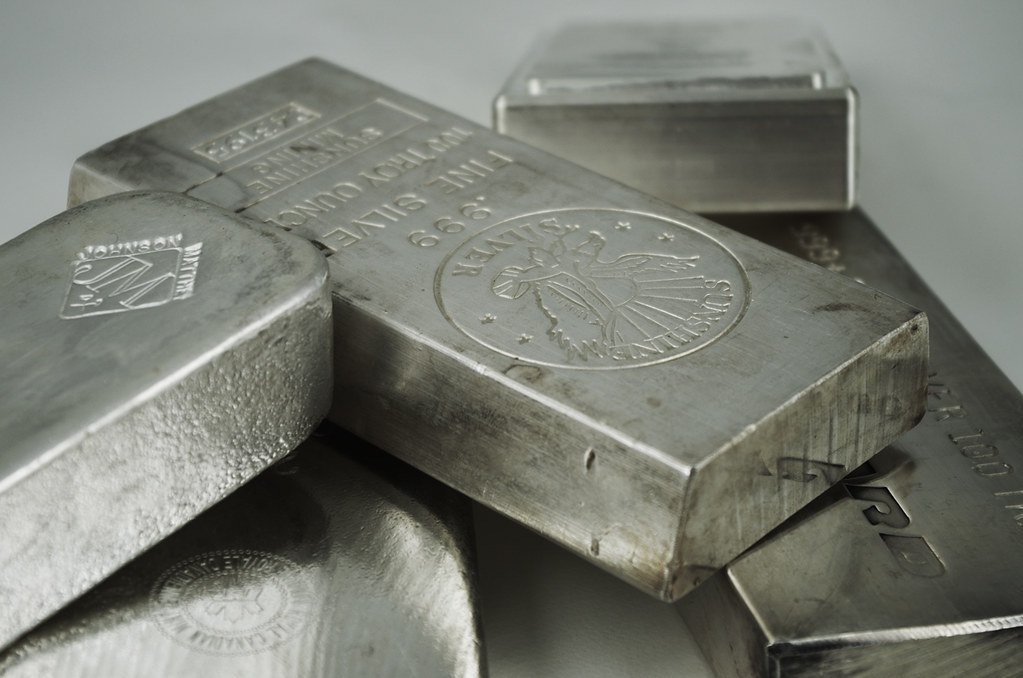
It might seem crazy to watch silver go from $32 to $115 in less than a year, and not take any profits as it slides back down to $68. But I did, because I believe it’s going to at least $200 over the next 5 years. And maybe higher.
Trying to time such a volatile move is challenging, and usually involves paying taxes, so sometimes the best move is to simply hold.
My plan is to hold long-term, because I believe we’ve entered a very disruptive period where there’s going to be a lot of money printing, and unfortunately, inflation. So I’m sticking to it.
But my investment horizon is long. And I’m OK with volatility. Your situation may be different.
We’re All Unique
Whether you should buy, sell, or hold an asset depends on your unique situation. Here are some of the key factors to consider.
What does your investment horizon (timeline) look like? Are you already retired, or going to be soon? If so, it usually makes sense to take profits earlier.
If you’re on the younger side, and you own great companies, it often makes sense to hold at least a portion of the position for a very long time. Now, with that said, you have to be able to stomach the volatility.
Are you going to panic sell if the asset drops 30%, or possibly more? If so, it’s probably best to lean more towards trading. Eventually, every asset goes through a significant downturn.
Taxes Matter, Too
Another important question: Is the investment in a taxable account, or a 401k or IRA? That matters greatly. If it’s in a tax-sheltered retirement account, you don’t have to worry about the tax implications of every sell order. But sometimes it makes sense to hold long-term anyways, because market timing can be difficult.
Whether your gains are long or short-term also matters greatly. Long-term capital gains (investments held over 1 year, in the U.S.) are taxed at a much lower rate compared to short-term gains).
Short-term capital gains can hurt overall returns if you’re not careful. Assuming it’s in a taxable (non-retirement) account, these taxes can reach up to 54% in extreme cases (California, top tax bracket). Long-term capital gains for the top bracket in California are around 37%. Still high, but much more reasonable.
This is another reason why, whenever possible, we should max out our retirement account savings. IRAs, 401ks, and other tax shelters are amazing tools.
Today’s markets are absolutely crazy. So it’s best to go into such situations with a plan, and stick to it.
We’ll keep delivering our best investment ideas, and provide insight into different ways to manage them.