

Black Rain Drone Destruction
The rain was black this week in Tuapse, Russia.
Residents downwind of the city awoke to find oil coating everything.

Source: TVPWorld.com
The disturbing sight was caused by repeated Ukrainian drone strikes on a major Russian oil hub and port in Tuapse.
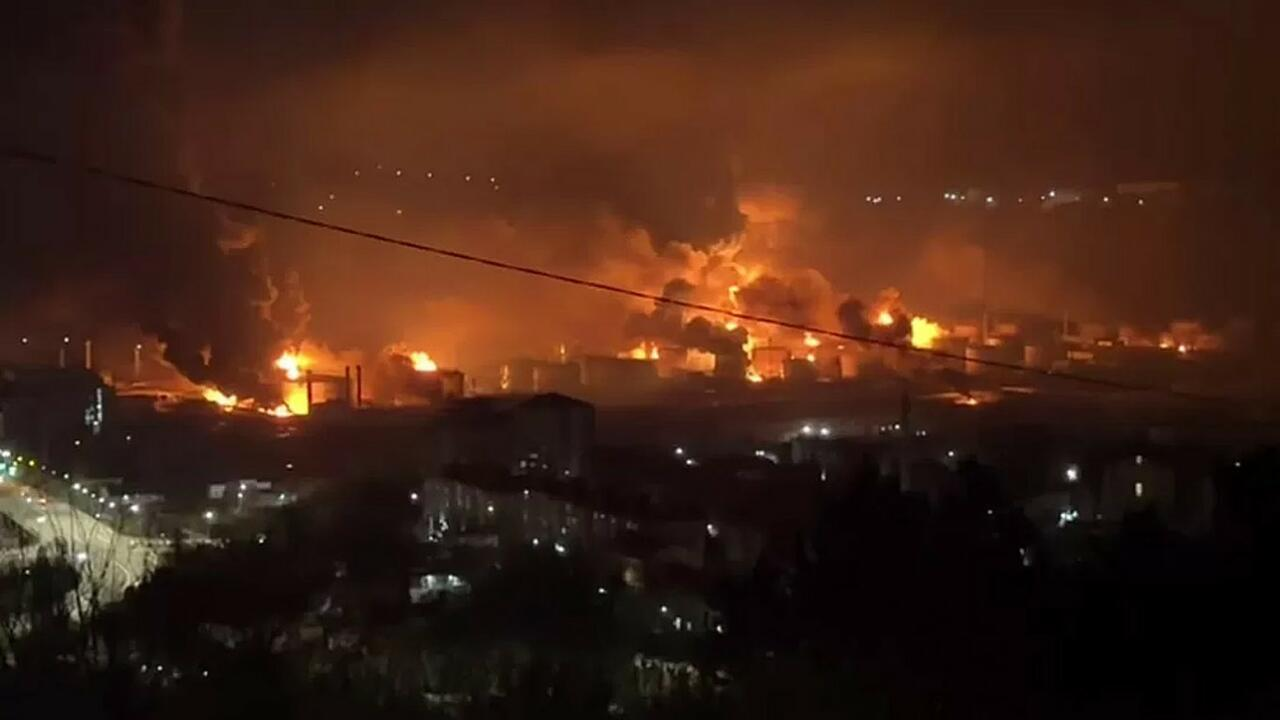
Aftermath of Ukrainian strikes on Russian oil infrastructure in Tuapse
Source: ZeroHedge
Ukraine has dramatically expanded its use of long-range drones over the past few months.
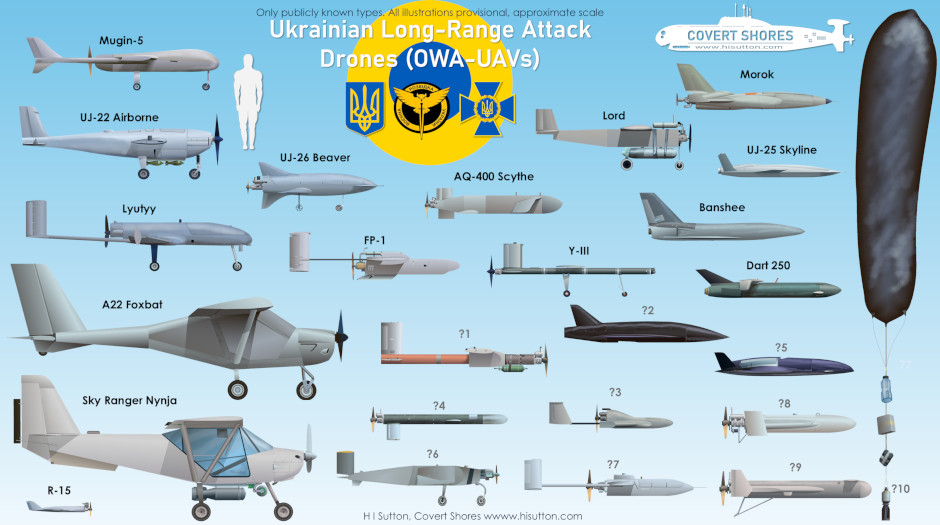
Source: Covert Shores
Some are simply converted light aircraft, while others are stealthy delta-shaped “kamikazee” drones. Ranges extend out to over 1,000 miles.
Ukraine is currently hitting Russian energy infrastructure hard. They do not want Russia to benefit from soaring oil prices. And at this stage in the war, their primary leverage is drone-based. Artillery, tanks, and infantry are distant afterthoughts.
Last year, somebody also struck a cooling tower at Ukraine’s former Zaporizhzhia nuclear plant with an attack drone.
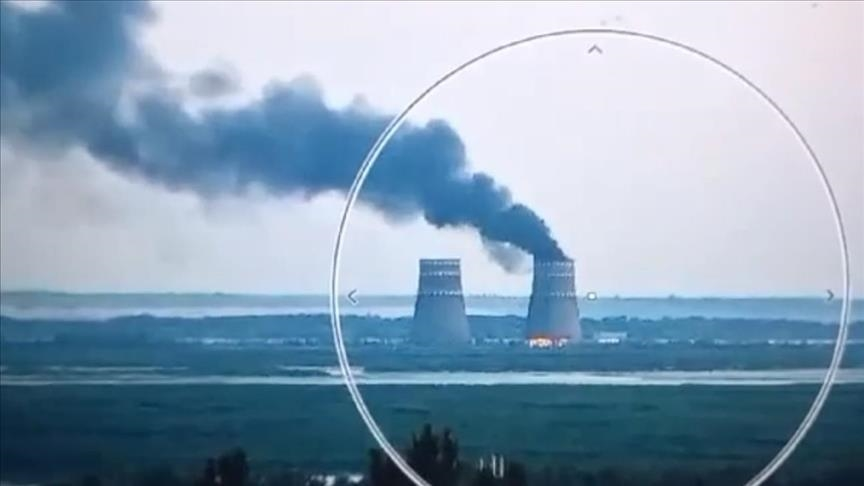
The nuclear plant (and surrounding area) has been occupied and operated by Russia since the very beginning of the war. So it seems unlikely they struck their own plant. Still, both sides point the finger at each other.
Fortunately there were no radioactive releases, and the fire was contained. But such strikes hint at the danger of this new generation of precision weapons.
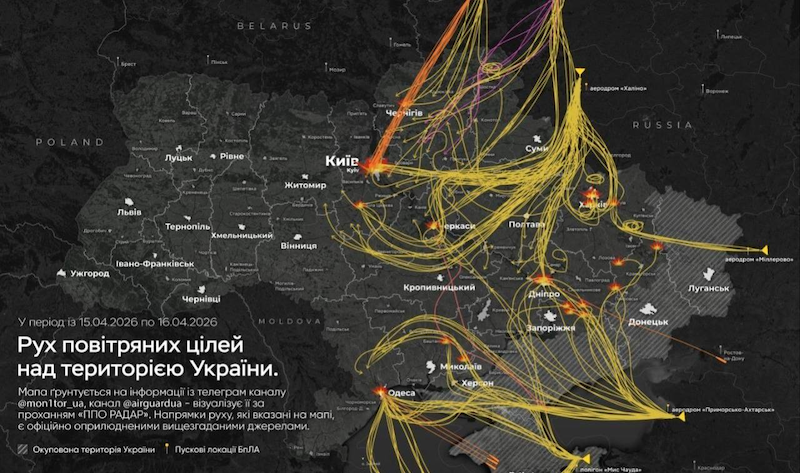
Needless to say, Russia is no slouch in the drone department. They were the first country to use long-range kamikaze drones in vast numbers. Here’s a map showing a single recent night of attacks. Each yellow line represents a drone path, and orange lines represent missile strikes.
Iran, Too
Black rain also fell on the Iranian capital Tehran after Israel struck a major oil facility last month. Oil residue fell across the city, and thick smog clogged the air.
And as Iranian missiles and drones struck oil infrastructure across the UAE, Saudi Arabia, Qatar, Bahrain, and Kuwait, we saw the same story unfold.
Devastating economic and environmental damage done by cheap weapons.
Let’s not forget that one Iranian missile volley shut down 17% of Qatar’s liquified natural gas (LNG) production at the Ras Laffan site. Qatari officials say it will take 3-5 years to repair. That’s $60 to $100 billion worth of damage and lost revenue, from a few missiles.
If President Trump is unable to reach a deal with Iran soon, and we return to active combat, he has once again promised to wipe out Iranian bridges and power plants. But if attacked, Iranian leaders have promised to target neighboring oil and gas infrastructure harder than ever.
President Trump is fond of saying we’ve already defeated Iran’s air force and navy, and that’s largely true. But it doesn’t really matter. Because their primary leverage, missiles and drones, remain.
We’re essentially stuck at the same place we were last month, when I wrote Escalation Ladders.
Hopefully the ceasefire can at least be extended. Otherwise things will soon get ugly again.
Drones for Everyone
Around the world, every military with any sense is working on long-range attack drones. They are possibly the most disruptive weapons in history. Asymmetrical warfare perfected.
Here in the U.S., dozens of companies are competing to build the next great kamikaze drones. We’re moving away from big expensive systems like the MQ-9 Reaper, and towards one-way attack models.
Across the Middle East, Europe, and Asia, everyone is gearing up for the future of warfare. It’s going to involve swarms of thousands of drones.
Even the best defenses will struggle against these attacks. Nobody is safe. Due to their unique military doctrine, Russia has perhaps the best air defenses in the world. And they’re still getting hit on a daily basis.
Meanwhile, in the conflict with Iran we’ve been spending up to $3 million per interceptor missile to take our Iranian drones which cost $20,000 to $50,000. Unsustainable.
Some say we’ll soon have lasers and smaller cheaper missiles to counter swarm attacks. And that may be true.
But most people are still not understanding the scale at which these weapons will be built. Let’s look at a simple comparison.
An F-35 fighter costs about $120 million. Plus $42,000 per hour of flight-time and munitions expenses. For just the base cost, we could build about 6,000 $20,000 drones.
The future of warfare will revolve around this new technology. And it has already spread around the world. There’s no putting the toothpaste back in the tube.
For the foreseeable future, air defenses will not be able to keep up.
This means we all live in glass houses. Everybody’s infrastructure is vulnerable. So we should only cast stones when absolutely necessary.
Diplomacy isn’t America’s specialty. We’ve become accustomed to getting whatever we want. But in this new paradigm, we’re going to need to brush up on the ancient art.

Comments: