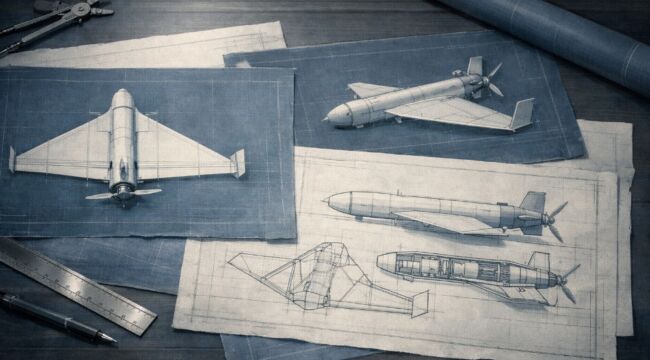

Modern Warfare 3: Cheap Drones Swarm the Future
The war in Ukraine taught us that drones will play a key role in all conflicts going forward.
Those who missed this lesson are getting a second chance with the Iran war.
Both sides are using drones extensively.
Today, we’re going to look at the various types of UAVs (unmanned aerial vehicles) being used. We will examine strengths, weaknesses, and attempt to predict the future of drone warfare.
MQ-9 Reaper
The MQ-9 Reaper, made by General Atomics (private), is an advancement of the classic Predator drone used throughout the War on Terror.
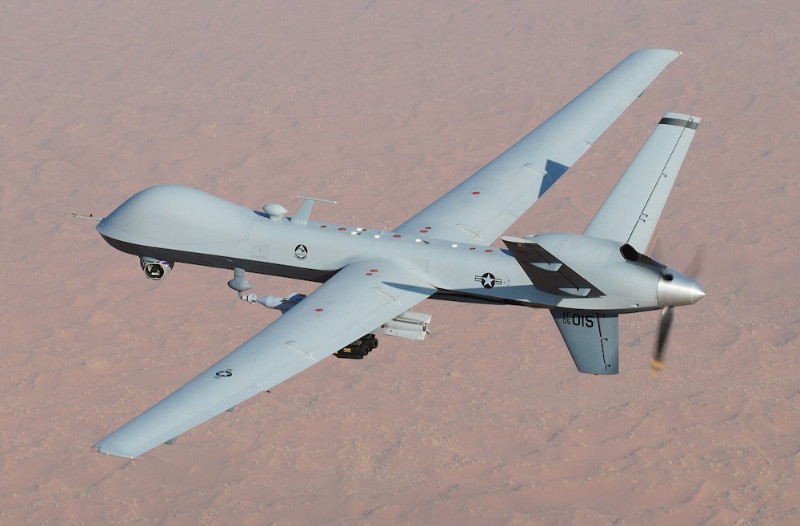
MQ-9 Reaper. Source: Wikipedia
The Reaper’s primary mission is to provide ISR (Intelligence, Surveillance, Reconnaissance). But it also carries advanced weapons, including the AGM-114 Hellfire missile and guided bombs.
It is remote-operated, but will likely have autonomous capabilities soon, if it does not already.
Thus far in the Iran war, the Reaper has played an important role in finding and striking Iranian military targets over Iran’s huge territory. Its long endurance of 20+ hour flight time is a strength. The threat of MQ-9s overhead is one of the key factors limiting Iranian missile launches.
However, the MQ-9 is slow with a top speed of 300 MPH. At least 10 have been shot down by Iranian forces over the last 2 weeks. At around $33 million per unit, these are not disposable systems.
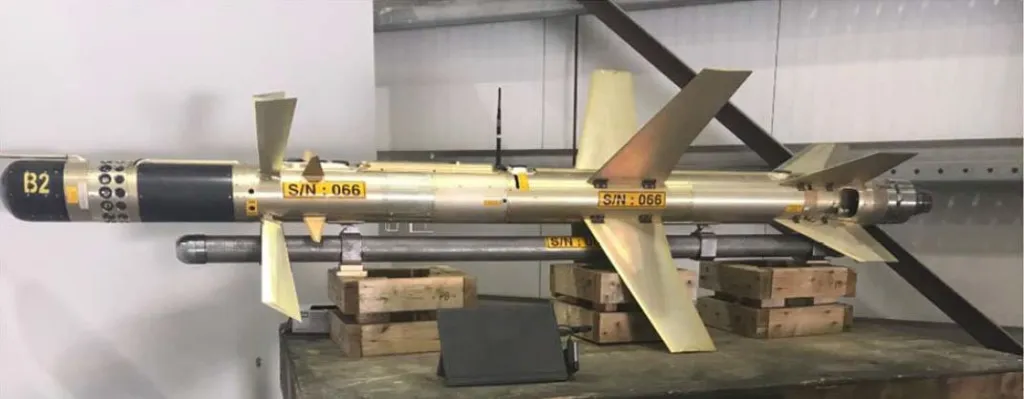
Iran’s “Missile 358”, a unique surface-to-air loitering munition which likely shot down 10 MQ-9 Reapers during this war, and another ~25 in Yemen. Source: The War Zone
In a war like this, drones should not be both slow and expensive.
In the future, ideal ISR drone platforms will be cheaper, smaller, and expendable. Russia and Ukraine are leading the way in this area.
But American companies are working on it. There are already a number of lower-cost drones being used in Iran, for both recon and strike missions.
The U.S. has apparently had good results from its LUCAS (Low Cost Unmanned Combat Attack System).
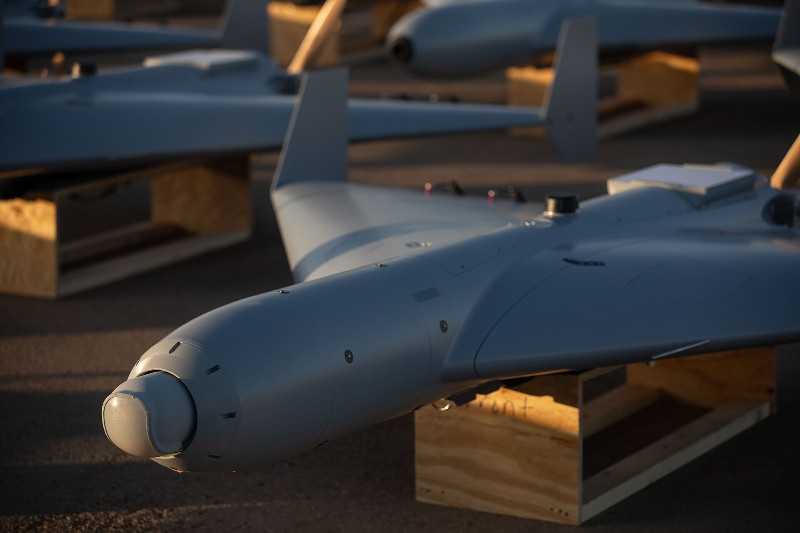
America’s LUCAS drone system. Source: Wikipedia
This UAV is made by private company SpektreWorks. It boasts a 500 mile range and 40 pound warhead. The cost is low, around $35,000 per unit.
U.S. Admiral Cooper has called the weapon “indispensable” in Ukraine. The LUCAS is based on Iran’s Shahed-136, which has also featured prominently in this conflict.
Anduril and Other Upstarts Break New Ground, Face Challenges
America’s largest defense contractors such as Lockheed Martin (LMT) and Northrup Grumman (NOC) are working on numerous drone programs.
But they are primarily focused on the larger, high-ticket systems such as stealthy “loyal wingman” UAVs which will accompany 5th generation fighters such as the F-35.
The work on smaller, cheaper drones is mostly being done by newer companies such as Anduril (private), Aerovironment (AVAV), Red Cat (RCAT), and others.
Anduril is producing a large number of drone systems. For example, ISR/strike hybrids such as the Altius:
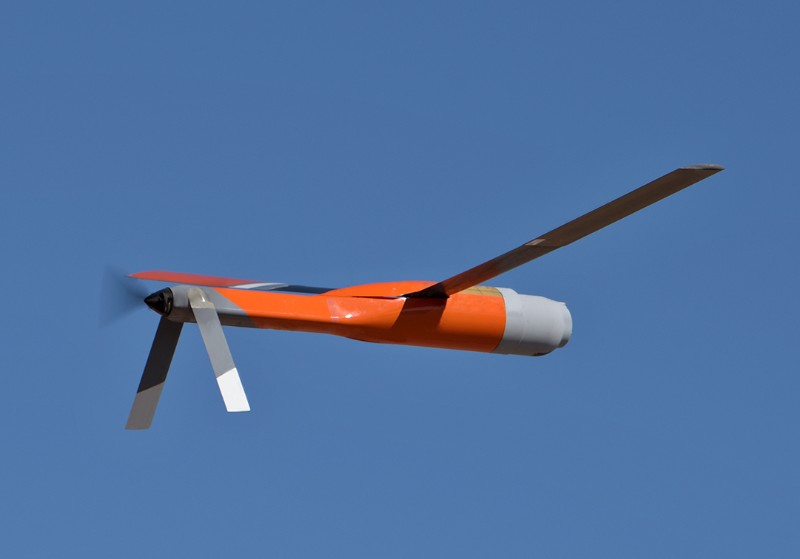
Anduril’s Altius drone
Anduril has tried their systems out in Ukraine, with limited success thus far.
The real gut punch comes from Ukraine, where Anduril’s technology faced its first true battlefield test. Ukrainian SBU security forces found that the company’s Altius loitering drones repeatedly crashed and failed to hit their targets. The performance was so poor that Ukrainian forces completely stopped using them in 2024 and haven’t deployed them since.
However, this is to be expected. The electronic warfare ecosystems operated by Ukraine and Russia are extremely advanced after 4 years of war.
Sending in what are essentially prototypes is part of the learning process. Systems are surely being re-engineered and hardened for modern warfare settings.
Anduril is also working on cheaper cruise missiles, drone interceptors, and much more. The private “startup” recently raised funding from top Silicon Valley investors at a $60 billion valuation.
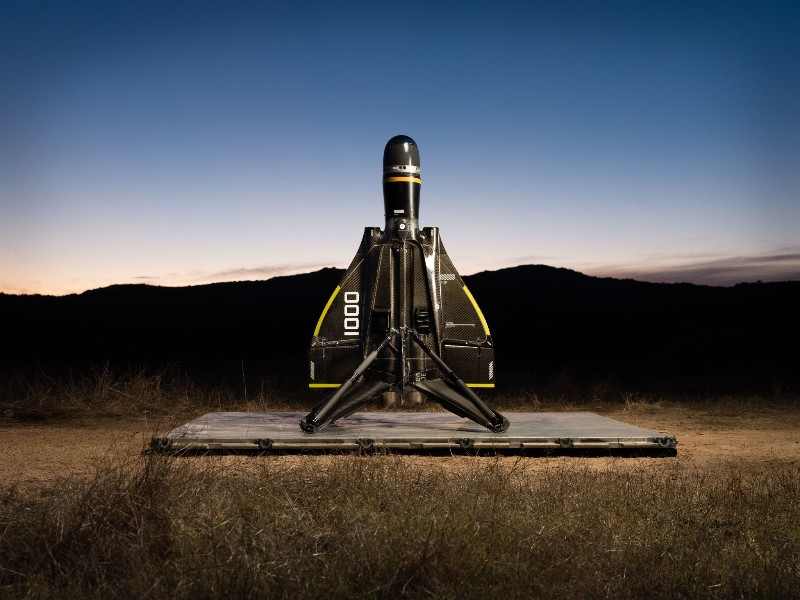
Anduril’s Roadrunner interceptor drone
Despite its challenges, Anduril remains a company to watch. It is well-funded and well-connected.
Aerovironment (AVAV) is also a leader in smaller, cheaper drone systems. Here is their Switchblade 600 Block 2 model:
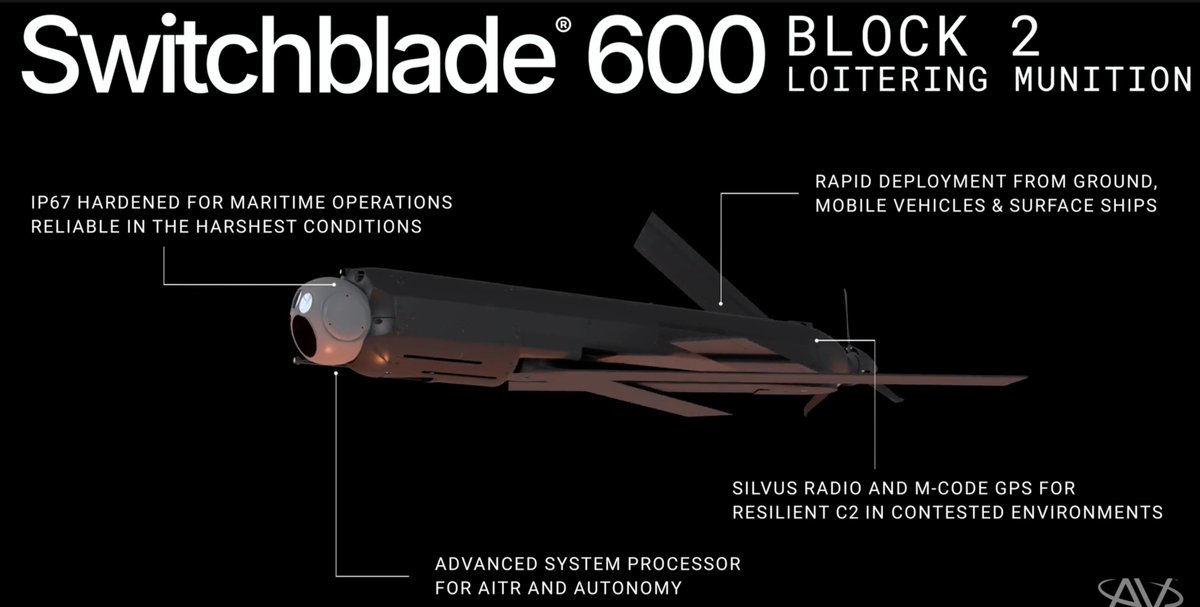
Source: Aerovironment
The Switchblade, like Anduril’s Altius, is a tube-launched recon and strike drone.
Aerovironment’s systems have also seen limited success in Ukraine. But again, these are early models and will be improved upon.
Aerovironment (AVAV) shares have been volatile, but are still up about 80% over the past year. Investors remain eager to invest in drone stocks.
Conclusion
Large expensive drones like the Reaper and Predator worked well in wars against enemies with limited air defenses (Iraq, Afghanistan).
But against Iran they are proving to be vulnerable. Smaller, cheaper drones for both ISR and strike missions will be key going forward.
Iran’s Shahed-136 has proven to be an extremely effective weapon, in both Ukraine (in its Russian-manufactured version, the Geran), and in this Iran war.
I believe this is the direction the world is headed in. Cheap, expendable drones which soak up expensive interceptor missiles and strike vulnerable targets.
Of course, defenses will evolve to combat these threats, but for now the advantage lies with the attacker.
Additionally, over coming years the line between drone and cruise missile will blur. We are already beginning to see cheaper jet-powered drones which are basically small, cheap cruise missiles.
Large high-price systems like the MQ-9 Reaper are what America has today, so they’re being put to good use. Effective, but expensive compared to alternatives.
For the price of one MQ-9, the Department of War can purchase 942 LUCAS drones. And avoid the costly maintenance involved with large advanced systems.
The future of warfare lies with smaller, less expensive drone systems which can swarm enemies and overwhelm air defenses.
There will be a place for slow, higher-priced unmanned systems, but it will not be in the middle of a defended airspace.
See our previous Modern Warfare coverage here:

Comments: