
A Bear Market for Stamps
A friend recently inherited a huge stamp collection.
His father-in-law, Fred, spent 70+ years collecting, preserving, and trading stamps. Fred had told my friend that the stamps would be a windfall for the family when he passed.
Well, it turns out the stamps aren’t worth nearly as much as he hoped.
Stamp dealers are flooded with supply. Many won’t even look at a collection unless it’s known to contain ultra-rare specimens. A stamp book that sold for $2,000 in the 1990s might fetch $200 today, if you can find a buyer.
Unless a stamp is pre-1900, in perfect condition, and extremely rare, the value is likely low.
The dynamic is straightforward. Stamps are mostly a hobby of baby boomers. That generation is nearing the end of its reign, and many people in the group are downsizing.
Younger generations have little interest. That’s the thing about collectibles. They are usually specific to a generation.
I had a similar experience with my mother-in-law recently. She still lives in the house my wife grew up in, but is finally starting to downsize.
She announced that it was finally time to sell her precious Hummel collection (porcelain collectible figurines from Germany). The family jewels, as they were. That should generate a tidy pile of cash, she told us. Especially since she has all the original boxes.
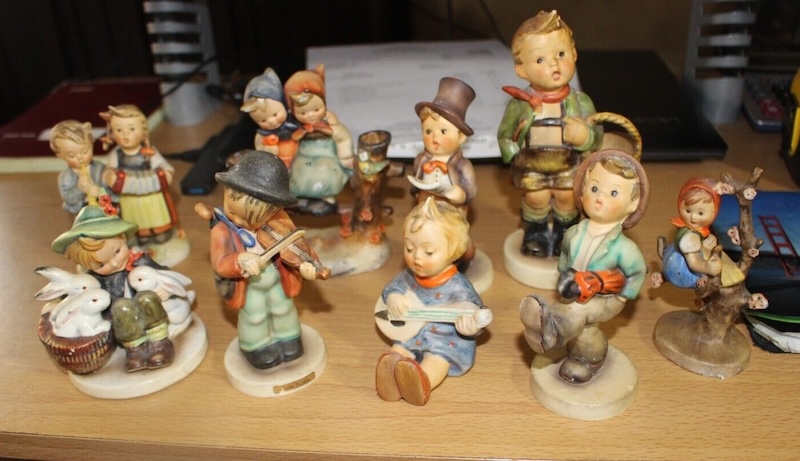
Hummels
My wife and I exchanged a look. “Mom, the Hummels aren’t worth much. We looked into it.”
In truth, it’s worse than that. Only the rarest Hummels are worth anything these days. On Ebay, most Hummel auctions get zero bids. The price will trend to zero over the next decade. I didn’t have the heart to tell my mother-in-law just how bad it was. Just that we’d take care of selling them.
My daughter picked a few favorites to keep in her room. There’s still sentimental value there, at least.
This is how we should think about collectibles. A fun hobby. Sentimental family heirlooms, even.
But never an investment.
Collectibles: Almost Always A Bad Buy
As a kid, I “invested” heavily in baseball cards and comic books. I had read the stories about that Mickey Mantle rookie card, the Action Comics #1. I wanted a piece of the action.
Needless to say, the $1,000+ I put in 30+ years ago is worthless today. The card and comic companies took advantage of a generation of young speculators, and printed millions of copies to keep up with demand.
That’s the thing about collectibles. If everyone buying them is doing it to make money, it’s basically guaranteed the price will eventually fall. There will be too many printed, and too many people keeping them in mint condition. Supply and demand. Simple economics.
The reason that Mickey Mantle rookie cards are so valuable today is that only the most die-hard baseball fans collected them, and there weren’t many to collect. Nobody had an idea they’d be worth millions one day.
Generational Change
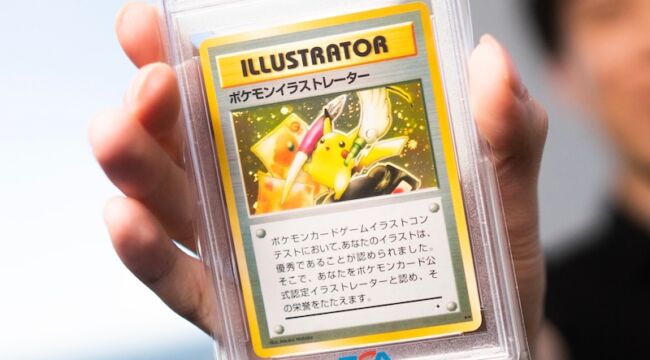
The hottest collectible in the world today are Pokemon cards, a table-top game.
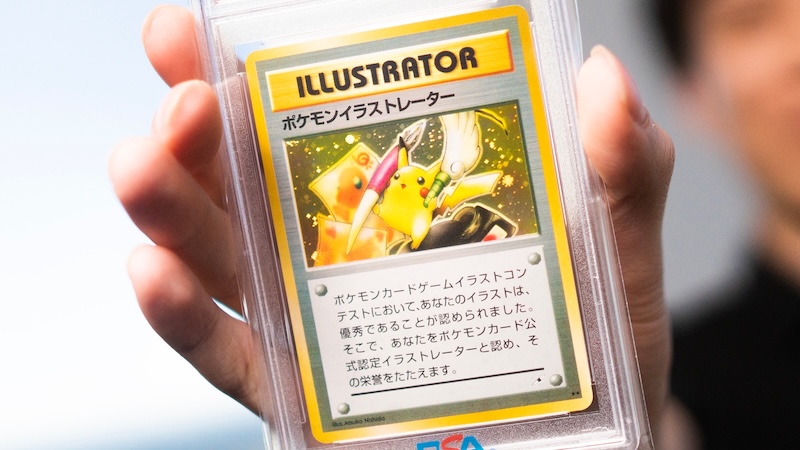
A 1998 Pokemon Pikachu card sold for $5.3 million at auction
The leading card-grading company, PSA, says that 71% of all its card ratings done today are Pokemon and other card games. Baseball cards are out, game cards are in.
The rare older Pokemon cards are worth so much because nobody expected them to be valuable. 99% of people actually used the cards in games.
Today, however, people are still spending billions on new Pokemon cards, expecting the same results in 20 years. They will be sorely disappointed.
This year, about 20 billion new Pokemon cards will be sold. At least 90% of people buying them are doing so to make money. This will end badly.
Hummels. Precious Moments. Beanie Babies. Comics. Baseball cards. NFTs. Labubus. Soon we’ll add Pokemon cards to the list.
It seems that every generation must learn this lesson for themselves.

Comments: