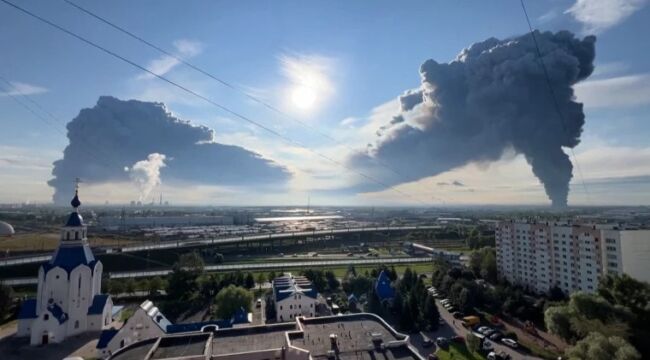

Russia is Still Winning in Ukraine
Ukraine has gotten a lot of press lately over its high-profile drone strikes against Russia. And for good reason.
This week alone, Ukraine has destroyed at least 5 large ecommerce distribution centers in Russia.
The strikes create apocalyptic scenes like the one below:
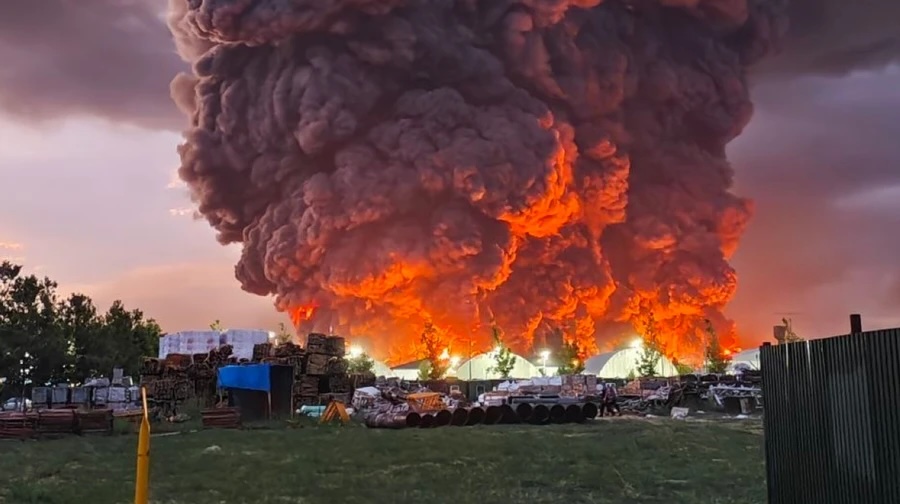
Source: Pravda Ukraine
The destroyed warehouses and distribution centers are owned by a company called Wildberries. This is Russia’s version of Amazon.
Dramatic pictures like this have led some to believe that Ukraine is winning. But we need to put these strikes into context.
Ukraine’s recent strategy with its long-range drones has been to strike “soft targets”, which are not as well protected as military sites.
Military bases, ammo depots, and fuel storage are more valuable targets. But they’re better protected, with layered anti-drone and electronic warfare systems. These “hard” targets have become extremely difficult for Ukraine to reach.
So Ukraine has been focusing on soft targets. And to some extent, it’s working.
Ukrainian strikes on oil refineries and distribution centers will certainly cause pain in Russia. Higher energy prices, shortages, environmental damage, and disrupted commerce.
But can such strikes win the war? Call me skeptical. My suspicion is that they will only serve to rally the Russian people behind the government, and increase Russian strikes against Ukrainian infrastructure such as power plants, locomotives, and oil facilities.
Ukraine’s strategy at this point relies almost entirely on drones. Short-range FPV drones on the frontlines, and long-range strike models to strike deep into Russia. But Russia has tightened up security around military sites inside the country, so Ukraine has been forced to switch to soft targets.
Meanwhile, Russia continues to destroy both Ukraine’s economic and military might.
Putin’s War Machine
Strikes by Russia don’t get nearly as much attention in Western media.
But the country is steadily wearing down Ukrainian forces and infrastructure. Using a combination of glide bombs, missiles, drones, and artillery.
Unlike Ukraine, Russia’s is a multi-faceted attack.
Guided glide bombs are perhaps its most effective weapon on the frontlines. These bombs range from 550 pounds all the way up to 6,600.
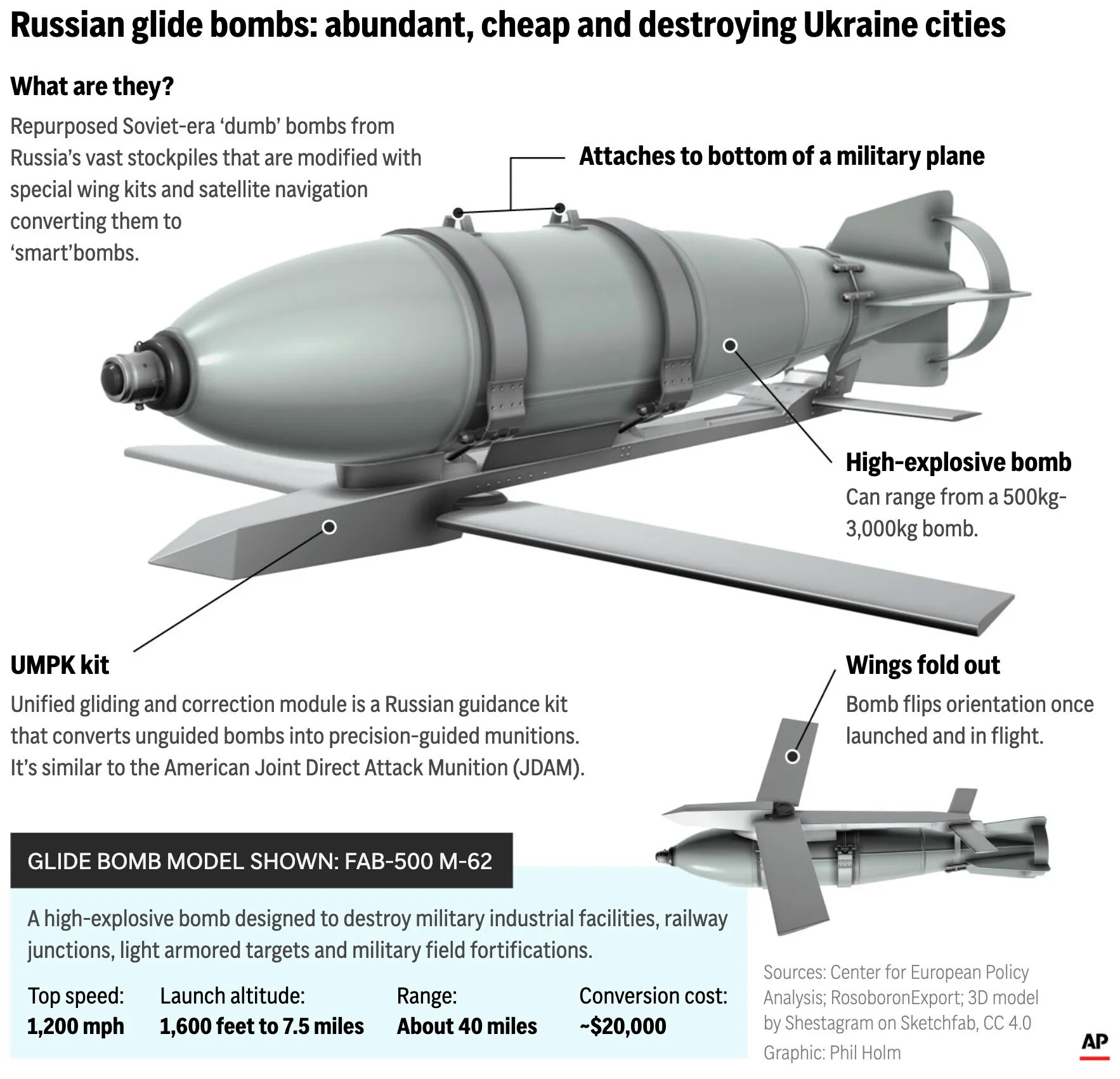
Source: AP
The munitions are dropped from jets, mostly the SU-34 fighter-bomber, at high altitude and speed. Once the wings unfold they can fly more than 40 miles.
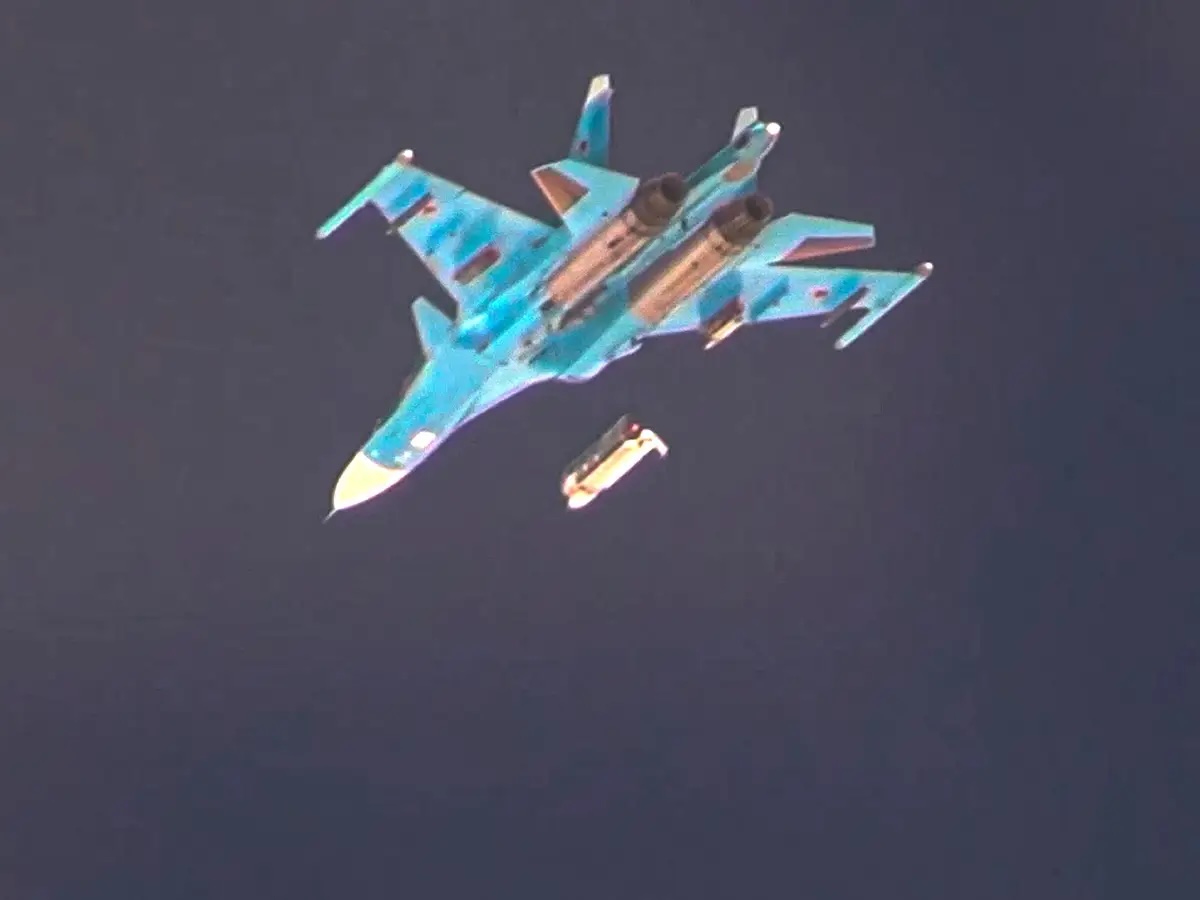
Russian SU-34 dropping a glide bomb at altitude
This allows Russia to target the frontlines from a safe distance. The introduction of these weapons has been devastating for Ukrainian forces attempting to hold the line.
Russia’s glide bombs started out with questionable accuracy, but have been steadily improved over the course of the war. Now these silent munitions are the bane of frontline Ukrainian soldiers.
Every day Russia drops approximately 267 glide bombs. That’s according to a Ukrainian source, the Kyiv Independent.
In comparison, Ukraine has a limited number of aircraft to drop American glide bombs from, and Russian SU-35 fighters patrol the border with long-range air-to-air missiles, keeping them well away from the frontlines.
These weapons are extremely difficult to counter. They have no heat signature like a missile for defensive systems to lock onto.
Missiles and Drones
Despite recent Ukrainian successes, Russia maintains a lead in long-range strike capability. Namely: missiles and drones.
Russia launches approximately 210 long-range attack drones per day, targeting Ukrainian military sites, power plants, factories, and even gas stations near the front.
Meanwhile Ukraine will save up their long-range attack drones and launch a volley of 500 or more in a single night. Then they have to rebuild stocks for weeks or months to get enough inventory for another big package, hoping to overwhelm Russian air defenses. Their success rate against hard targets have decreased significantly, and now Russia will look to increase protection of soft targets.
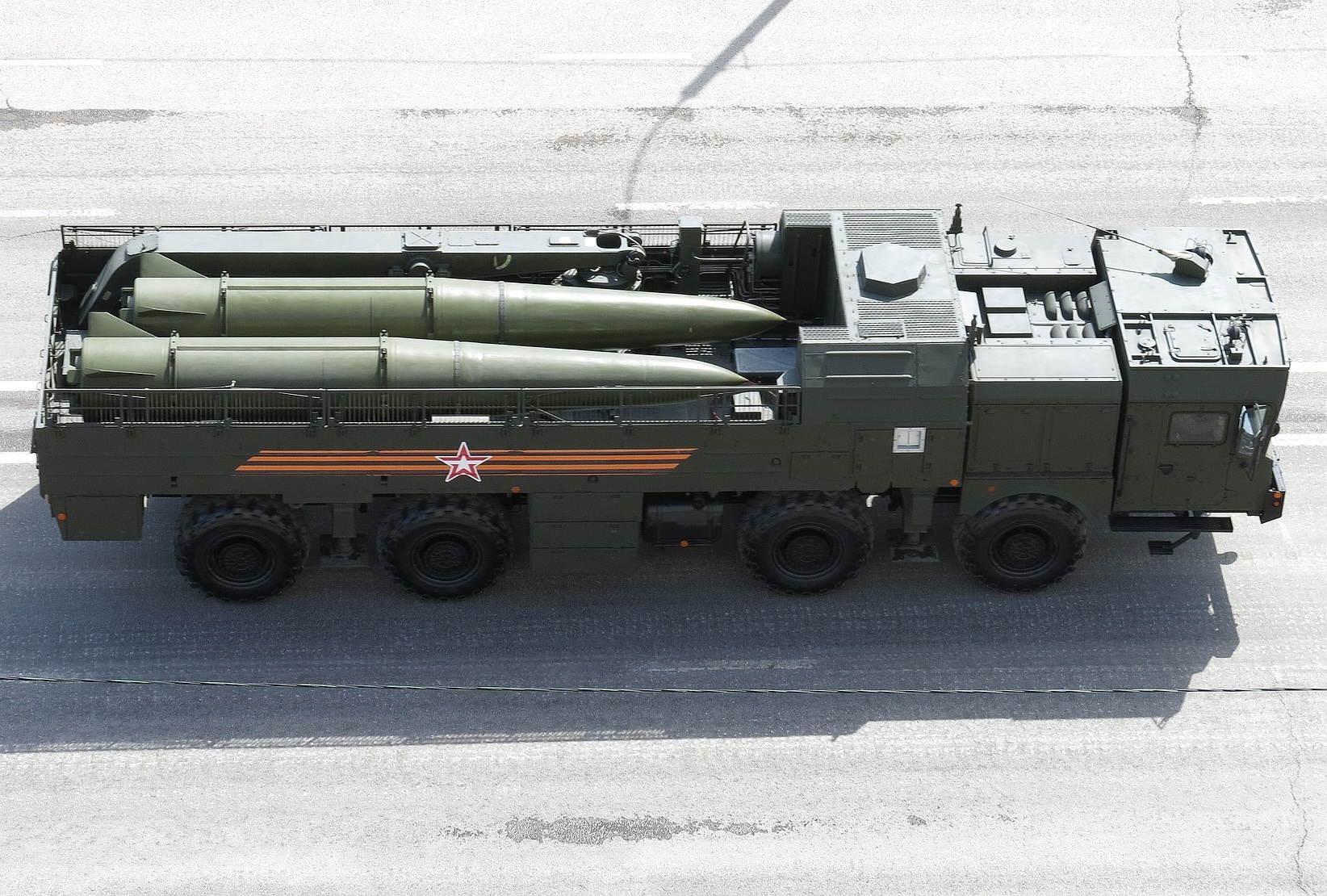
And in terms of missiles, Russia has the most proven ballistic missiles in the world. The Iskander-M, pictured below, has become a cornerstone of the war.
Source: Wikipedia
The Iskander has proven to be a devastating weapon. It is hypersonic, maxing out at around Mach 6. Defenders have little time to prepare once a launch is detected. Russia also has a large selection of cruise missiles which it employs to devastating effect.
Russia is now in wartime production mode, pumping out huge numbers of missiles, drones, and bombs.
An Ugly War
The conflict in Ukraine is heartbreaking. It’s likely that more than a million soldiers have died so far. And thousands of civilians have perished, with millions displaced. A tragedy.
Now both sides are increasingly hitting soft targets. Energy sites, distribution centers, ships, ports, locomotives, and more. Economic and environmental damage is mounting.
Ukraine is hanging on for now. But the country depends on American and European weapons, food, and money to keep the war going.
The country’s new strategy of hitting soft targets within Russia will not win the war. It will only contribute to the escalation cycle.
Unfortunately, I’m not optimistic about a diplomatic resolution anytime soon. It looks like this one will be decided on the battlefield.
Russia will eventually seize victory, at significant cost. But they will emerge as the most experienced modern military in the world. Their advantage in missiles, drones, electronic warfare, and glide bombs will only grow.
If we don’t watch out, we’ll make a permanent enemy of Russia. Countless examples throughout history show this would be a mistake.
Otto von Bismarck, 19th century German Chancellor, famously said, “It is better not to wake the Russian bear.”
Wise words. Ones we should heed.

Comments: