Soccer Moms are Doomsday Prepping

Last night my wife asked about our emergency supplies. Well this is new, I thought.
Then I noticed she was browsing Amazon for dehydrated food.
My eyebrows almost hit the ceiling. This is very unusual behavior for her.
I assured her we were in good shape. But it got me thinking about what triggered the concern.
Over the past few weeks, dozens of governments have told citizens to prepare emergency supplies. That was the trigger apparently.
My wife’s not the only one. There’s a bit of doomsday-prepper fever breaking out lately.
Authorities warn of risks including: AI cyber-attacks, a Russian invasion, climate change, and industrial sabotage.
Most European countries have put out scary warnings recently. It’s clearly a coordinated campaign.
The big question is – are they actually concerned about their citizens’ welfare? Or do they have a more sinister agenda?
I suspect the latter, but we’re not going to answer that question today. We will, however, keep a close eye on the situation and see what we can learn.
Regardless of what governments say, it makes perfect sense to prepare emergency supplies.
And it can be done relatively cheaply. I view it as an insurance policy. One where the policy pays out in life during worst-case scenarios.
Here’s how I go about it.
Food and Fat
The #1 item for any emergency food stash should be white rice. Not brown rice or jasmine rice. White rice. Stored properly, it can last 25 years. What you want to do is store it in mylar bags, and add in oxygen absorbing packets.
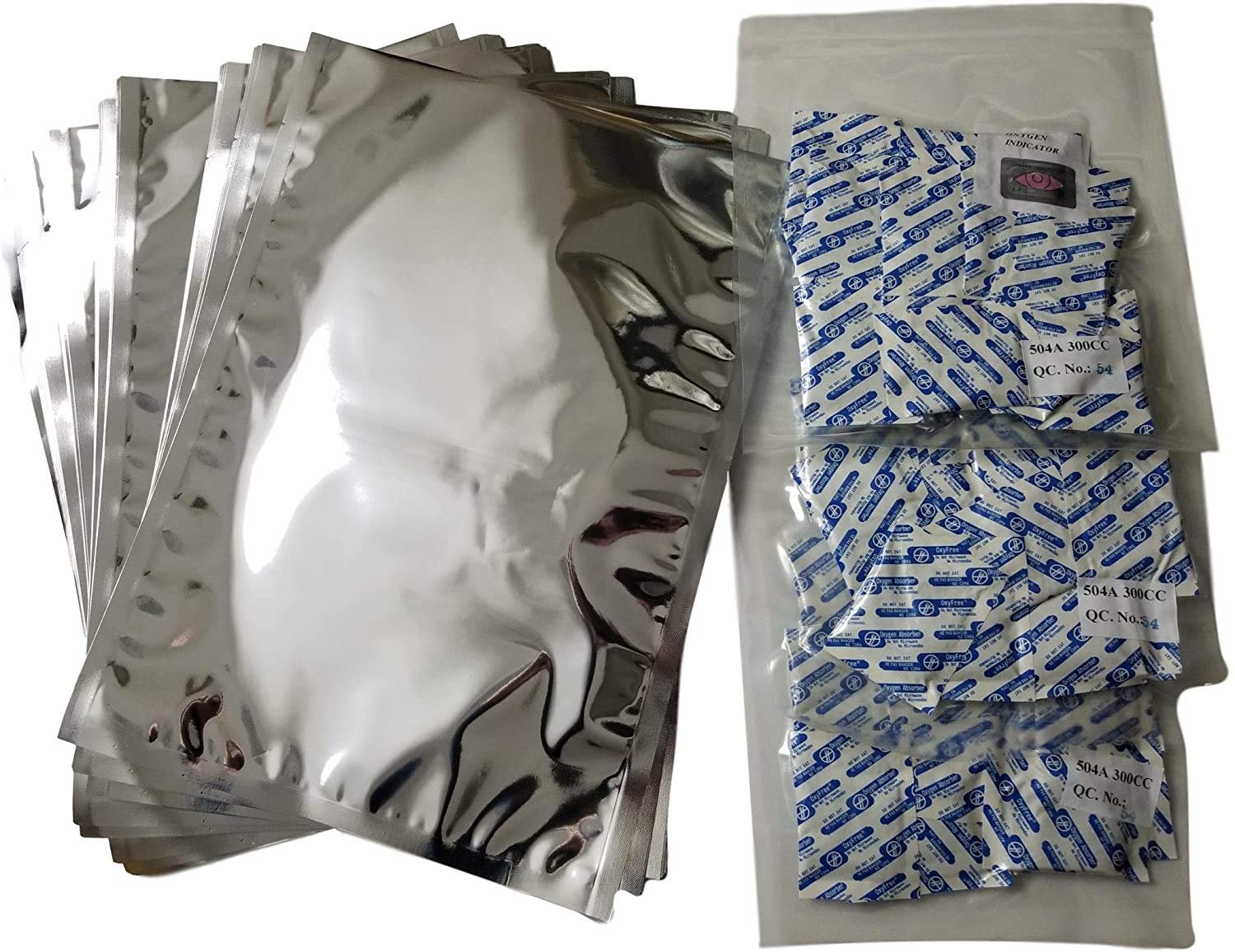
Mylar bags + oxygen absorbers
Or you can buy 25lb buckets of white rice, already in mylar bags with oxygen absorbers from emergency prep companies. Just make sure you buy from a reputable company with good reviews.
One note here. If this prepping trend continues, white rice will become hard to find. This is normal and happens during every big scare. Just wait for it to come back in stock once people settle down.
Dry beans are also a good option, and stored properly they can last 20 years.
But man cannot live on carbs alone. You’ll absolutely need some fat in there too. I prefer coconut oil (only virgin unrefined – the natural antioxidants extend shelf-life). Stored correctly, it can last 3-5 years.
And in my house, we use a lot of coconut oil so I store a few gallons in the basement, and rotate stock. Coconut also happens to produce the healthiest plant-based oil. Yes, it’s food. But in a pinch it can be used as toothpaste, mouthwash, moisturizer, and more.
Having some canned protein on hand makes sense too. Cans of tuna can last 5 years or longer if stored properly. Only buy protein you’re willing to eat and rotate stock of. Tuna casserole every once in a while isn’t so bad.
Dehydrated meals and MREs are also good options, but they aren’t cheap. Adjust to your budget as appropriate.
If something gets a year from expiration, and we can’t eat it, we donate it to a food bank.
Pure Water
Water is a big one. There are a number of scenarios which could limit access to clean water.
The most important prep here is having a high-quality water filter. That means a 5 stage reverse osmosis (RO) system that goes under the sink.
RO removes 99%+ of impurities from water. Fluoride, heavy metals, chlorine, radioactive bits, forever chemicals, pesticides, microplastics, etc. Nasty stuff.
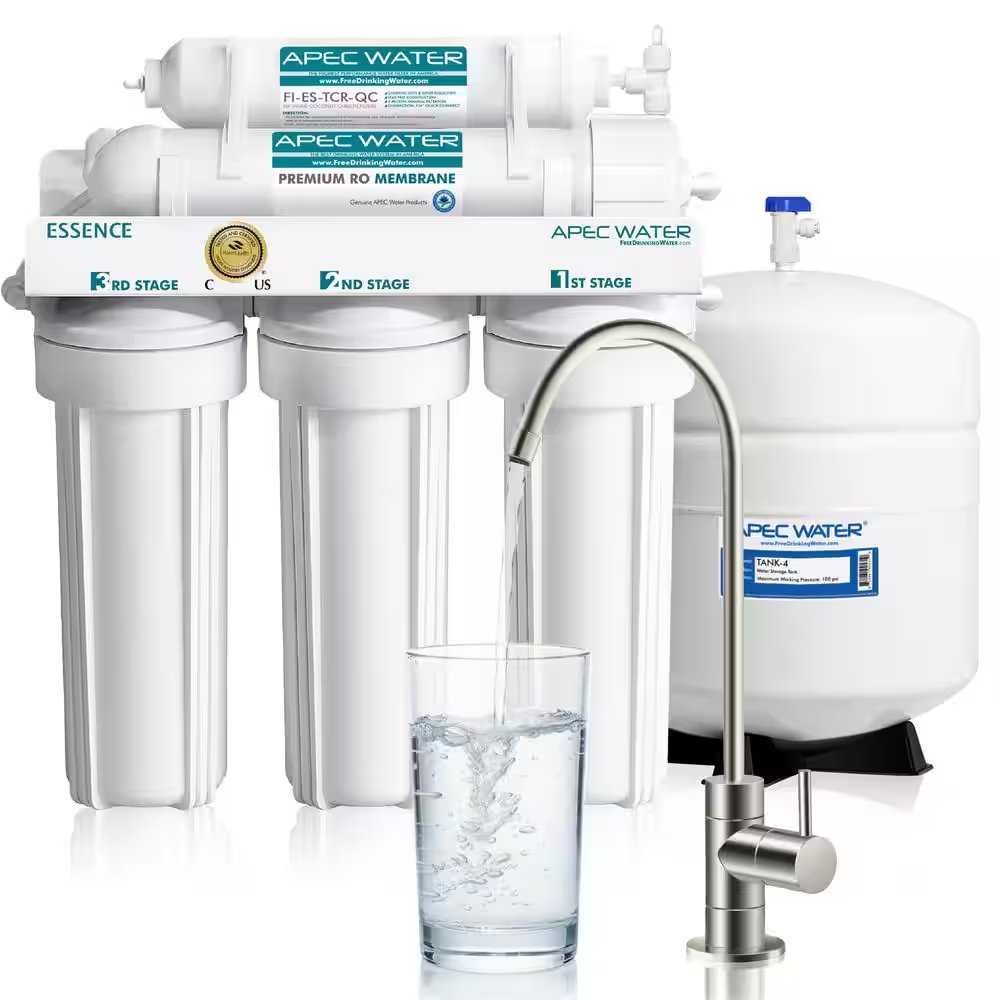
The Apec RO filtration system we have - find it at Home Depot, Amazon, etc
A good RO system runs about $200. It’s the best investment a household can make, in my opinion. For that price you’ll get 50 gallons a day of pure filtered water.
Filters only need to be changed every 2-5 years (different schedules for different types). I always keep a few extra sets of filters around. A filter “refill” kit costs anywhere from $42 to $75, depending on the brand.
An RO water filter system provides immense ROI, even if nothing bad happens. There’s all sorts of crud in our water already.
If you’re still drinking and cooking with city water or questionable well water, consider getting an RO system. It’s a game-changer. And if the stuff ever does hit the fan, you’ll be extra glad to have it.
One last thing on water. Keep some iodine around. It can purify bacteria-contaminated water, and is a key nutrient. Millions of Americans are already iodine-deficient. May as well buy a bottle. I like J. Crow’s Lugol’s Solution, and take a few drops every month with water.
Don’t Forget Guns
Firearms are a key part of any disaster prep kit. At the very least, every household should own a 12-gauge shotgun. Or two. Or three.
With a shotgun, you can bag a deer if necessary. And if someone breaks into your house, the sound of a pump-action slide chambering a shell is usually enough to send any thief scurrying. If not, well… There's nothing quite so convincing as buckshot at close range.
You can get a decent pump-action 12-gauge for under $300. Mossberg makes quality shotguns for reasonable prices.

Mossberg Maverick 88 12-gauge shotgun ($200-$300)
A shotgun should be the bare minimum for a real emergency kit. But if all you can swing is a .22 plinker, that’s certainly better than nothing.
Of course, owning handguns and long/assault rifles too is ideal.
As a bonus, well-maintained firearms hold their value well over time. I consider them to be an inflation-hedge with additional benefits (self defense + a fun hobby).
The way I look at it is, if you ever truly need a gun, you’re really going to need it. So buy a few.
Firearms are a key aspect of any emergency prep kit. Needless to say, keep them locked up away from kids, etc.
And be sure to get out to the shooting range and practice. My favorite is sporting clays. It’s golf with shotguns.
Nothing Will Happen (Probably)
My goal with today’s letter isn’t to scare anyone.
In fact, I’m skeptical about all these sudden warnings from governments. Why now?
Maybe these governments know something is coming. Maybe they don’t, and are just trying to scare us for some secret agenda.
Either way, I’m still going to pay the doomsday insurance premium. It really doesn’t cost much. Compared to health insurance, for example, it’s the world’s greatest bargain.
You end up eating most of the food you store anyway, your water gets cleaner, and you have the tools to defend your house.
Nothing wrong with that.