Petrodollar in Peril

The conflict with Iran drags on.
On Saturday, President Trump called off a strike against Iran which he said would have been the largest since World War 2.
Why did he call it off? Because Iran once again threatened that if their infrastructure is hit, they will destroy American, Israeli, and Gulf nation infrastructure. Military bases, desalination plants, power generation, oil facilities, etc.
Iran has proven they can follow through on these threats. In July, Iran hit a number of U.S. bases with ballistic missiles and drones. The accuracy of the strikes was disturbing.
The satellite photos below show damage to Jordan’s Muwaffaq Salti Air Base, where the U.S. has a large presence.
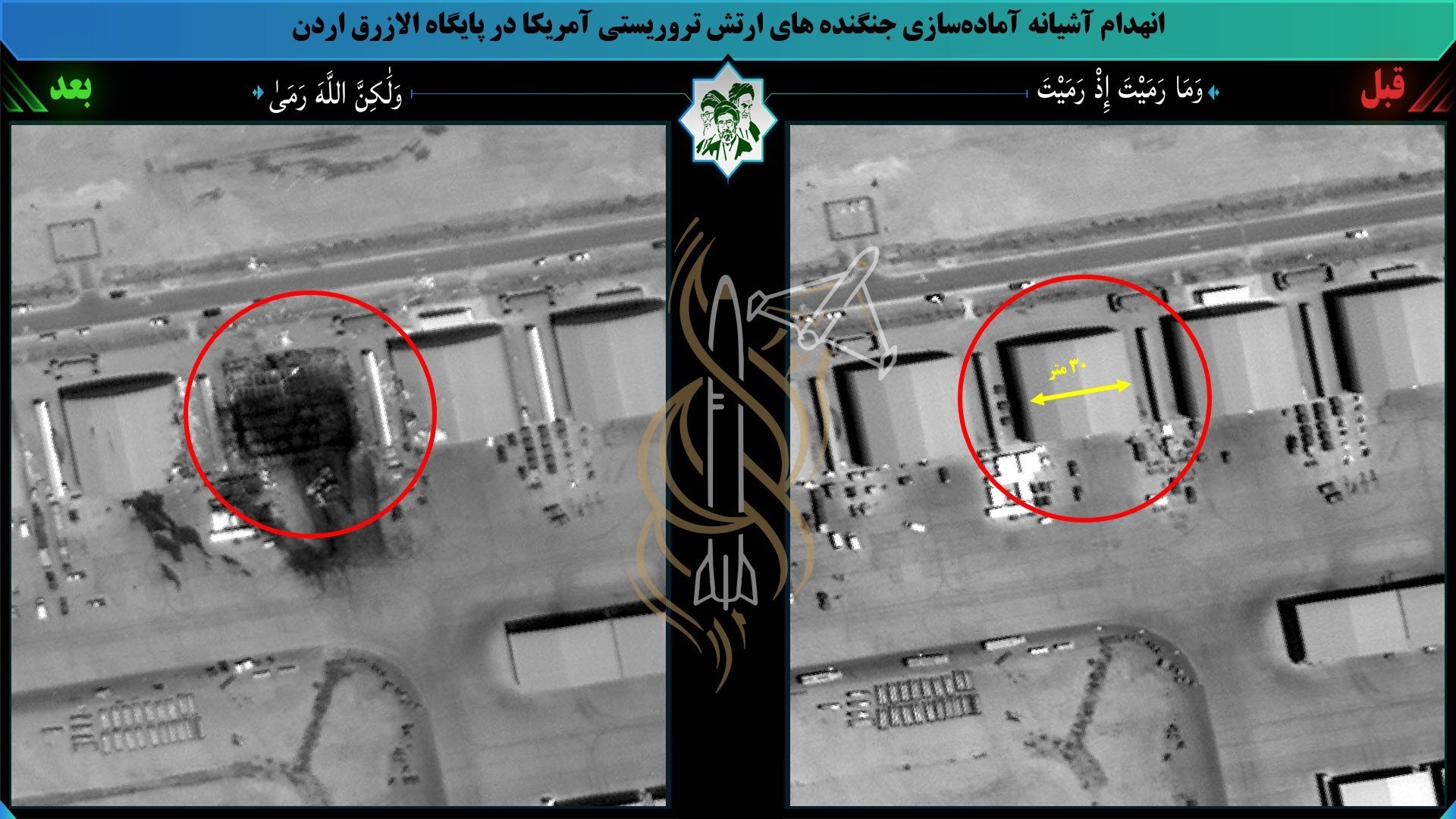
American aircraft hangar in Jordan after Iranian missile strike | Source: X
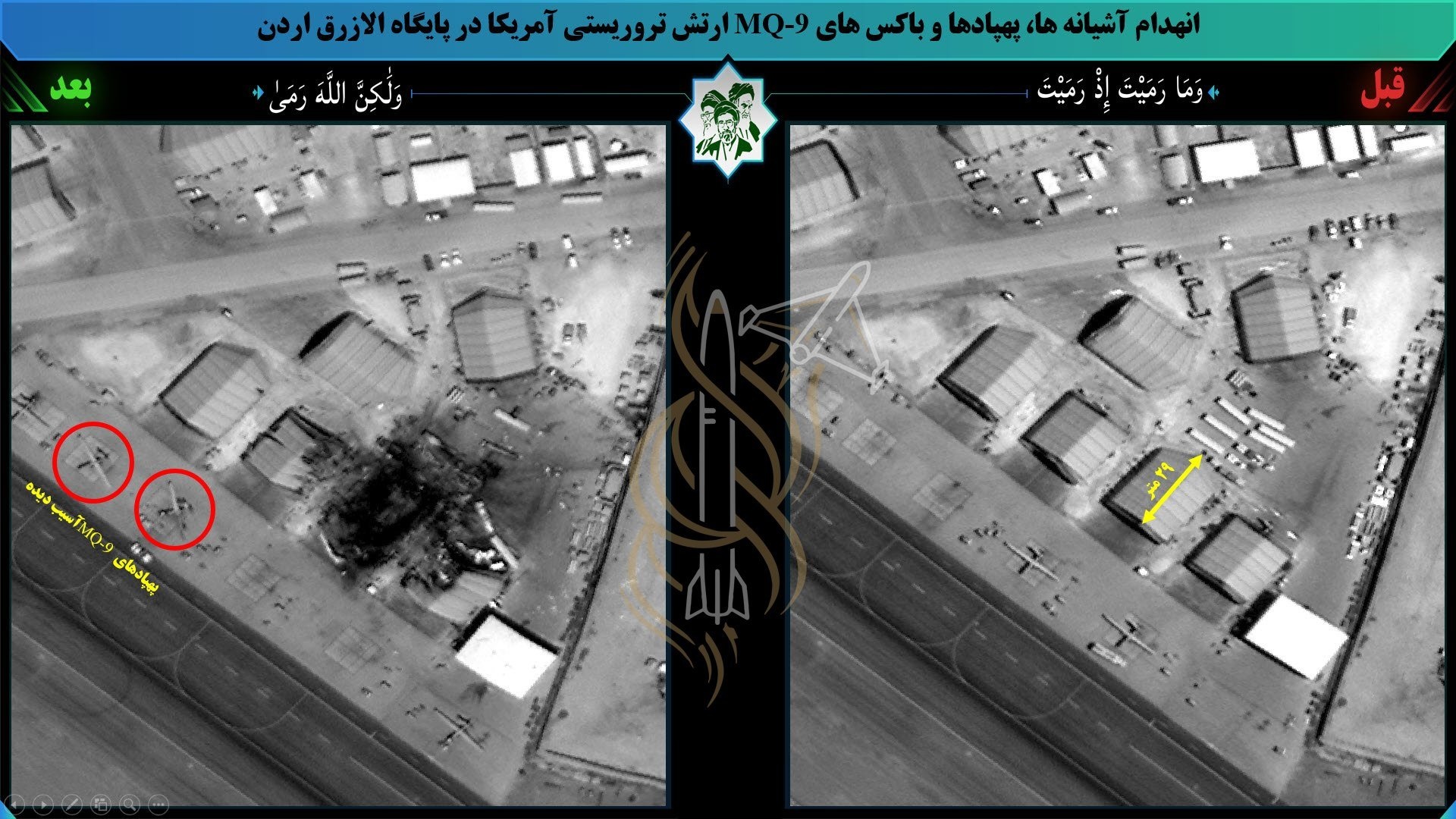
U.S. drone hangars in Jordan after Iranian missile strike
Unfortunately, three American soldiers were killed at this base during the July missile attacks.
Iran has now repeatedly struck U.S. bases in the region with missiles and drones, knocking out a significant portion of our radar, missile defense, and air power.
American forces struck back, hitting a large number of Iranian targets around the Strait of Hormuz and beyond.
Both sides have the ability to strike each other’s soft targets at will. But doing so will only take us up the escalation ladder again.
And that leaves us in a very tricky situation.
Major Geopolitical Implications
There is more at risk here than most people understand. America is not accustomed to being hit with accurate long-range attacks from adversaries.
Using missiles and drones, today Iran can target all U.S. bases in the Middle East.
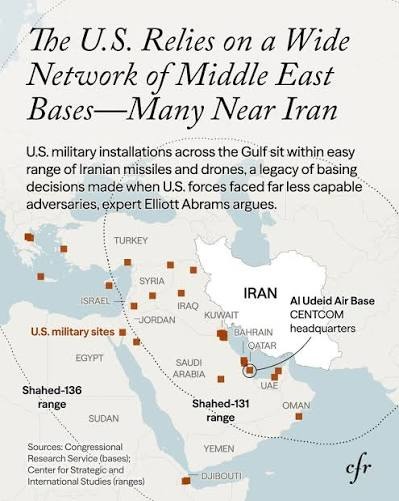
Source: CFR
These bases have been the key to maintaining America’s influence in the region. And keeping the petrodollar system in place since 1974.
The petrodollar sounds complicated, but it’s actually pretty simple. We provide military protection for big oil exporters, and in return, they agree to only sell oil in U.S. dollars. And generally speaking, the oil producers recycle their profits into American stocks and bonds.
The petrodollar system was highly effective in driving demand for U.S. assets. Since nearly every country needs dollars to buy oil, everybody keeps a healthy amount of dollars in reserve. The world buys our bonds, keeping interest rates low.
American military bases in the Gulf region are how we maintain this system.
With the threat of Iranian missiles and drones, the petrodollar system is now at risk.
If we can’t find a way to end this war and maintain our presence in the region, the financial arrangement that made the U.S. dollar so dominant could eventually fall apart.
The U.S. defense umbrella mostly held for 50 years, but is suddenly leaky. And that means rivals, including Russia, China, and even Iran will try to strengthen their own positions by making deals with big oil producers.
Eventually, several U.S.-allied Gulf countries could be seduced away by adversaries. And the petrodollar system could fall apart.
This could (in time) crater demand for dollars. Much is at stake.
Copying the Iran Playbook
Right now, every nation on the planet is working on their drone and missile strategy. Some are further ahead than others, but this precision strike technology will rapidly spread to every corner of the world.
Russia, Iran, Ukraine, and China already have advanced long-range precision strike programs. Yemen is on the verge. More will follow soon.
It’s a whole new world out there. This is the “democratization of precision strike weapons”, and it’s terrifying.
This is a worrying development for America’s foreign interests. It makes maintaining our bases in the Middle East extremely challenging.
I am still hopeful a peace deal will be hammered out with Iran. But it’s going to require far more compromise than either side is willing to make today.
And that means the war will probably stay hot for some time to come, in fits and starts. Until the pain becomes too great and eventually a deal is reached.
These things will take time to play out. The petrodollar system has worked for more than 50 years, and it’s not going away overnight.
But Iran has presented the first real challenge to American military and economic supremacy in a long time. Whether we can maintain U.S. military bases in the Middle East going forward is now an open question.
If we are forced to abandon some, or even all of our Gulf region military bases, the implications would be massive. A geopolitical and monetary earthquake.
It would be yet another sign that the world is becoming multipolar. In both economic and military realms.